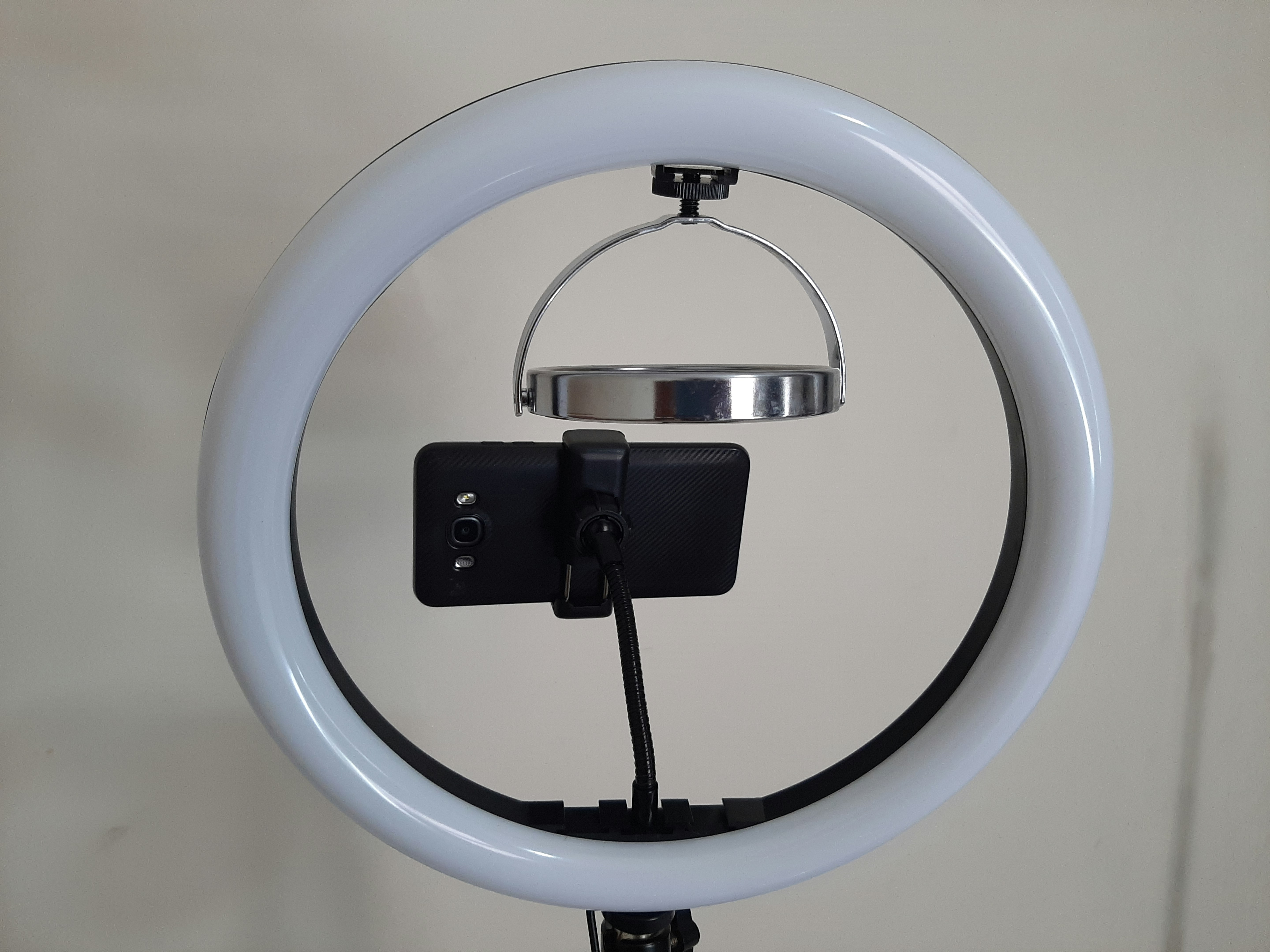
Understanding LED Ring Lights
LED ring lights have become increasingly popular in various fields, particularly in photography, videography, and makeup artistry. They are circular lighting devices that utilize Light Emitting Diodes (LEDs) to provide a soft and even illumination. This design allows for the light to be evenly distributed around the subject, eliminating harsh shadows and providing a flattering appearance.
The primary purpose of LED ring lights is to enhance the quality of light for both shooting photos and creating videos. Unlike traditional lighting options, which can create uneven exposure and harsh highlights, the soft glow produced by LED ring lights helps to illuminate subjects uniformly. This feature is particularly beneficial for makeup artists, as it ensures that the makeup application is accurately captured and appears natural under various conditions.
In photography, LED ring lights are often used in portrait shoots, as they beautifully highlight the facial features of the model without causing glare. In videography, these lights are essential for creating well-lit setups, especially in close-up shots where details matter significantly. Moreover, their portability makes them an excellent choice for content creators who often work in diverse environments.
Another important aspect that distinguishes LED ring lights from other lighting sources is their adjustability. Many models come equipped with remote controls, allowing users to easily modify brightness and color temperature without physically interacting with the light. This convenience is an invaluable feature for those who need to focus on their work while shooting or applying makeup.
In summary, LED ring lights provide enhanced lighting solutions that cater to a variety of applications. Their design and technology deliver significant advantages over traditional lighting options, making them a staple for professionals across different creative fields.
Importance of Remote Control Features
In the realm of photography and videography, the equipment used plays a critical role in achieving the desired results. One such piece of equipment that has gained popularity is the LED ring light, particularly models that come with remote control features. The advantages of having a remote control for LED ring lights are significant, making the experience more user-friendly and efficient.
One of the primary benefits of a remote control is the convenience it offers during a shoot. Photographers and content creators often face challenges in adjusting lighting while also managing subjects and compositions. A remote control enables users to modify light settings from a distance, thus eliminating the need to interrupt the workflow. This feature is especially advantageous during live shoots or video recordings, where maintaining continuity is essential.
Furthermore, remote controls enhance ease of use. They typically come equipped with buttons that allow for quick adjustments of brightness, color temperature, and other settings. This can be particularly valuable in situations where lighting conditions change rapidly, as users can respond promptly without having to get up and adjust the ring light manually. The seamless transition between different lighting settings can significantly enhance the final quality of the output.
Moreover, having the ability to control the LED ring light remotely can prove indispensable when working with multiple lights. Utilizing a remote that operates several lights at once allows for more cohesive lighting designs. This level of control is essential for achieving a professional look in photography, video production, or live streaming. Therefore, users are encouraged to consider LED ring lights that integrate remote control features as an essential criterion in their purchasing deliberations.
Ultimately, the advantages provided by remote controls — convenience, improved ease of use, and enhanced control during projects — are pivotal to optimizing the functionality of LED ring lights. As the demand for high-quality visuals continues to rise, investing in equipment equipped with such features becomes increasingly important for content creators.
Brightness and Color Temperature Adjustments
When selecting a LED ring light, two critical features to evaluate are brightness levels and color temperature. Brightness significantly influences the quality of light during photography and videography. A well-lit scene enhances details, clarity, and the overall impact of the image, making brightness control an essential aspect. LED ring lights often feature adjustable brightness settings, allowing users to modify the light intensity according to their needs. This flexibility is particularly valuable in varying lighting environments or when the subject is at different distances from the light source.
Moreover, the capability to alter brightness can help mitigate issues such as harsh shadows or overexposure, which can detract from the desired effect in images or video clips. A ring light that permits fine-tuning of brightness can create professional-looking lighting setups, catering to a range of applications from makeup tutorials to portrait photography.
The second important consideration is color temperature, which refers to the warmth or coolness of the light produced. Color temperature is measured in Kelvin (K), with lower values indicating warmer tones and higher values producing cooler light. Understanding color temperature’s role is vital for ensuring accurate skin tones and enhancing aesthetics. For instance, a color temperature around 3200K generates a warm, inviting atmosphere, suitable for indoor settings and portraits. In contrast, higher temperatures, such as 5600K, mimic daylight, providing a cooler and more neutral appearance that can be beneficial in bright, natural light scenarios.
The ability to adjust both brightness and color temperature empowers users to create the perfect lighting conditions tailored to specific situations. Whether you are shooting makeup tutorials or creating content for social media, these features are instrumental in achieving professional results. By selecting an LED ring light with versatile adjustments in these areas, you can ensure optimal lighting that enhances your photography and video quality.
Size and Design Considerations
When it comes to purchasing a LED ring light, the size and design are critical factors that can significantly influence your experience. LED ring lights come in a variety of sizes, from compact models designed for portability to larger options intended for studio use. The choice of size can affect not only the light output but also how easy the ring light is to transport and store.
Smaller LED ring lights, typically ranging from 6 to 12 inches in diameter, are ideal for those who prioritize portability. These compact sizes are particularly beneficial for vloggers, influencers, or photographers who often find themselves working on location rather than in a static studio environment. Due to their lightweight and compact nature, smaller lights can easily fit into bags or backpacks, making them convenient for travel.
On the other hand, larger ring lights, usually measuring between 14 and 18 inches, provide a more powerful light output, which can enhance the quality of your images or videos. These sizes are more suited for studio environments where space is presumably available, and the light is expected to fill a larger area. Additionally, unless you have ample flexibility in your setup, the larger units can be cumbersome to move around, which might pose a challenge for some users.
Beyond the size, the design of the LED ring light also plays a role in its usability. Many options come with adjustable stands and various mounting accessories that allow for versatile configuration. Such designs enable seamless adjustments, making it easier to position the light at the desired angle or height. Ultimately, the selection of size and design should align with your specific needs, considering where you will primarily be using the ring light—whether at home, in a studio, or on the go.
Power Options and Battery Life
When exploring the best options for LED ring lights, understanding the various power sources is crucial. LED ring lights are available primarily in two configurations: plug-in models and battery-operated units. Each of these power options comes with its own set of advantages and disadvantages that will cater to different usage scenarios.
Plug-in LED ring lights are typically favored for studio use due to their constant power supply. This type of ring light connects directly to an electrical outlet, ensuring that users can rely on a steady light without the worry of battery depletion. However, the need for proximity to an outlet does limit mobility, making plug-in models less ideal for outdoor shoots or events where electrical access is limited.
On the other hand, battery-operated LED ring lights offer the versatility needed for on-the-go professionals. These models are invaluable for photographers and videographers who require enhanced mobility. When opting for a battery-operated version, it is vital to consider the battery life, as this determines how long you can use the light before needing to recharge or replace the batteries. Ideally, choose a model with a long-lasting battery that provides sufficient runtime based on your shooting needs.
In addition to runtime, reliability is another crucial factor when selecting a battery-operated LED ring light. It is advisable to look for brands that offer high-capacity batteries and integrated indicators showing battery levels. This helps to avoid sudden light failures during crucial moments. Also, consider the weight and size of the unit; lightweight models can enhance portability, making them easier to transport between locations.
Ultimately, the choice between plug-in and battery-powered options depends on individual requirements and circumstances. Evaluating your specific needs and understanding the functionalities of each power option will help you make an informed decision that aligns with your creative endeavors.
Compatibility with Camera Equipment
When selecting a LED ring light, one of the primary considerations is its compatibility with your existing camera gear. This aspect is crucial, as using a light that does not accommodate your camera can lead to inefficiencies and unanticipated obstacles during your setup. Different camera models and brands have specific requirements regarding light mounting and integration, which should not be overlooked.
LED ring lights often come with a variety of mounting options, enabling them to attach directly to various camera models or tripods. It is essential to verify that the ring light you intend to purchase supports the mounting system of your camera. Common mounting options include a 1/4-inch screw, which is widely standardized, or specific adapters that may be required for less common camera models. Before making a purchase, ensure that the product description specifies compatibility information, as this can save you time and potential frustration.
Additionally, consider the size of the ring light in relation to your camera setup. A ring light that is too small may not provide adequate illumination, while one that is excessively large might hinder mobility and complicate the setup process. Therefore, balancing size and power is essential in ensuring that your equipment functions cohesively.
Moreover, check whether the LED ring light has adjustable features that allow for various angles and distances. This flexibility is particularly beneficial when capturing different shots, as it allows the light to be positioned effectively without obstructing the camera’s view. It is advisable to read user reviews and specifications to gauge how other photographers and videographers have implemented these lights with their equipment.
By prioritizing compatibility with camera equipment during your selection process, you streamline your workflow and enhance the quality of your shoots. A well-integrated lighting system not only improves the visual output but also contributes to a more efficient and enjoyable shooting experience.
Build Quality and Durability
When selecting a LED ring light, one of the paramount factors to consider is its build quality and durability. The longevity of a lighting product can significantly impact its overall value, making it essential to opt for a well-constructed unit. High-quality materials not only enhance the aesthetic appeal but also ensure that the ring light can withstand regular use while retaining its functionality.
The construction of a LED ring light typically involves various materials, including plastics and metals. While lightweight plastics may be convenient for portability, they can often compromise sturdiness. In contrast, metal components can provide a robust structure but may add weight to the unit. Therefore, finding a balance between portability and durability is crucial when evaluating the build quality.
Another critical aspect to assess is the finish of the LED ring light. Look for powder-coated or anodized finishes that can resist scratches and corrosion over time. Additionally, ensure that the mounting options are sturdy and reliable, as these components are often subject to frequent adjustments and movements. Checking for reinforced hinges or locking mechanisms is advisable, as these features can further enhance the durability of the product.
Furthermore, before purchasing a LED ring light, it’s essential to read user reviews and manufacturer specifications. Feedback from other users can provide insights into the actual performance and durability of the unit over time. Look for signs of wear and tear noted in reviews, which can help gauge long-term reliability.
Ultimately, investing in a LED ring light with high build quality ensures that it remains functional for a prolonged period, making it a worthy addition to any photography or videography setup. By prioritizing materials, finish, and user feedback, you can make a more informed decision that will serve your lighting needs effectively.
Brand Reputation and Reviews
When considering the purchase of a LED ring light with remote control, one of the most essential steps is to conduct thorough research on various brands. The market is filled with numerous options, and not all manufacturers offer quality products. To safeguard your investment, focus on reputable brands known for their reliability and performance. Look for brands that have established themselves in the lighting industry, as they often have a proven track record of satisfying their customers.
Customer reviews play a crucial role in identifying a trustworthy brand. Online platforms such as e-commerce websites, photography forums, and social media can provide invaluable insights. Reading user experiences helps potential buyers gauge the effectiveness, durability, and overall performance of the LED ring light. Pay close attention to patterns in the reviews—consistent positive feedback can indicate a reliable product, while recurring complaints may warrant caution.
Moreover, when researching brands, take note of any awards, certifications, or endorsements they may have received. These recognitions often reflect a commitment to quality and excellence. Additionally, reputable brands typically provide comprehensive customer support, including warranties, easy returns, and responsive assistance, which can further enhance your buying confidence.
To effectively evaluate a brand, consider using a comparative approach. Create a list of potential brands and analyze their market presence, pricing, and user feedback. This method allows you to identify not only the best options but also those that fit your budget. In summary, a careful examination of brand reputation and customer reviews is vital when purchasing a LED ring light. This diligence ensures that you select a high-quality product that meets your needs and expectations.
Price Range and Value for Money
When considering the purchase of a LED ring light with remote control, one of the most critical factors to evaluate is the price range. LED ring lights can vary significantly in cost based on several aspects, including brand reputation, size, light quality, and additional features such as adjustable brightness levels and color temperature options.
Typically, entry-level LED ring lights with basic functionality can be found in the price range of approximately $30 to $70. These models are suitable for beginners and casual users who need basic lighting for video calls, makeup applications, or photography. While they may not offer extensive features, they provide decent illumination and are easy to use.
For enthusiasts and semi-professionals, the mid-range options, which fall between $70 to $150, present a compelling balance between quality and affordability. These lights often come with better light quality, remote controls for versatility, and enhanced features such as adjustable brightness and multiple color settings. Such options are ideal for content creators seeking to elevate their lighting setup without breaking the bank.
Lastly, professional-grade LED ring lights can range from $150 to over $300. These high-end models typically provide superior light quality, durability, and extensive customization options, allowing users to craft the perfect lighting for any situation. They are particularly suitable for professional photographers, videographers, or serious influencers looking to invest in comprehensive lighting solutions.
Regardless of the chosen price point, it is essential to evaluate the features offered against the cost. An affordable LED ring light with a remote may seem like a bargain, but if it lacks the necessary features for your specific needs, it might not provide value for money in the long run. Conversely, while higher-priced models often come with advanced capabilities, it is crucial to ensure that these features align with your intended use to justify the investment.
In summary, determining the right price range and understanding the value it represents involves careful consideration of both features and your specific requirements. By aligning your budget with the necessary functionalities, you can achieve a satisfactory purchase that enhances your lighting experience.