
Introduction to Computer Tables
In today’s digital age, computer tables play an essential role in our day-to-day lives, both at home and in office environments. With the increasing reliance on technology for work, education, and entertainment, having a dedicated space for computers and laptops has become more important than ever. A well-designed computer table not only enhances productivity but also contributes to a more organized and functional workspace.
With various materials and finishes available, black and walnut designs have gained significant popularity in recent years. The sleek, modern aesthetic of black tables combined with the rich, warm tones of walnut options create a striking balance that appeals to many consumers. These finishes complement a wide range of interior styles, making them versatile choices for both contemporary and traditional settings.
Having a dedicated computer table allows individuals to establish a specific area for their computing tasks, promoting focus and efficiency. This is particularly beneficial in home offices, where distractions abound. A well-defined workspace facilitates better time management and encourages a healthier work-life balance. Moreover, ergonomic designs often found in computer tables are integral in promoting physical well-being by providing proper support for users during prolonged hours of work.
Furthermore, the growth in remote work has increased the demand for suitable furnishings that can adapt to various domestic spaces. The popularity of black and walnut computer tables reflects a broader trend towards investing in quality furniture that marries functionality with style. Such tables not only serve practical purposes but also enhance the overall aesthetic appeal of a room, contributing significantly to the ambiance and decorative scheme.
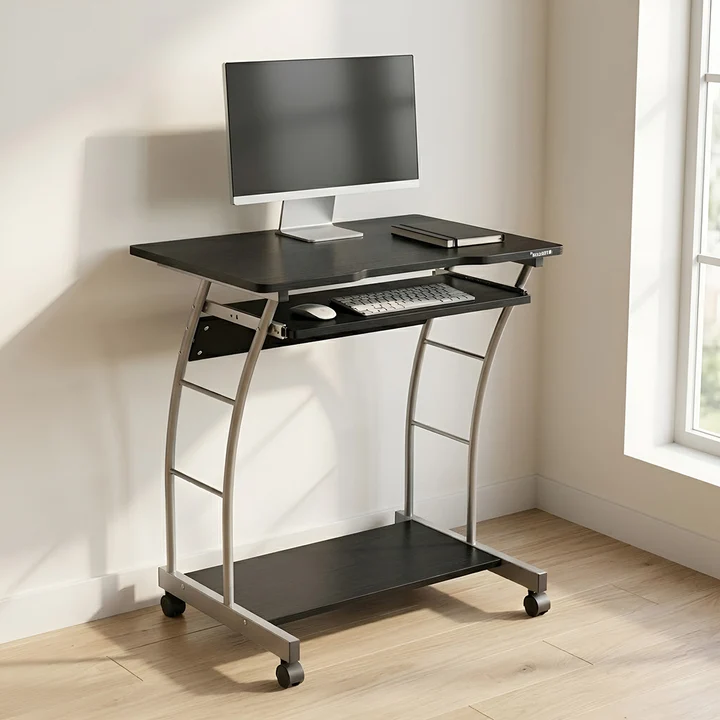
Material Quality and Durability
When selecting a computer table, the quality of materials used in its construction plays a crucial role in determining its durability and overall performance. Two popular materials often utilized for tabletops are MDF (Medium Density Fiberboard) and 13-mm pre-laminated particle boards. Understanding the benefits of these materials can significantly impact your purchase decision.
MDF tabletops are engineered from wood fibers, which provide a smooth and consistent surface. This type of material offers impressive durability when properly maintained, making it a favored choice for many computer tables. Its density helps to resist warping and twisting, which can often occur over time with less sturdy materials. Additionally, MDF is known for its versatility in design, allowing for a range of finishes that can complement various interior styles.
On the other hand, 13-mm pre-laminated particle boards incorporate layers of glued wood chips, which are then coated with a laminate finish. This process confers additional strength and protection against moisture, scratches, and other potential damage, thereby enhancing the longevity of the computer table. The laminated surface also makes cleaning effortless, requiring only a damp cloth for maintenance. Furthermore, particle boards offer a cost-effective solution without significantly compromising on aesthetics or strength, which can be pivotal for budget-conscious consumers.
Incorporating quality materials like MDF tabletops and 13-mm particle boards into the design of computer tables signifies a commitment to longevity and sturdiness. When investing in a computer table, it is essential to consider how these materials contribute to a stable and supportive workspace. By prioritizing such quality construction, users can ensure that their furniture will not only withstand daily use but also retain its functional and aesthetic appeal over time.
Design and Aesthetics
When considering a computer table, the finish is often just as important as its functionality. In recent years, black and walnut finishes have emerged as highly sought-after options, particularly due to their ability to blend seamlessly with modern decor styles. Both finishes embody simplicity and elegance, making them fitting choices for various interior design themes.
The black finish, with its sleek and minimalist appearance, adds a contemporary touch to any workspace. It is particularly effective in small spaces, as it tends to create an illusion of depth and can make a room feel more open. Moreover, black computer tables are versatile; they can be paired with a variety of chair styles and colors, ensuring that they complement existing furnishings without overpowering other elements in the room.
On the other hand, walnut finishes bring a touch of warmth and sophistication to a space. The rich, deep tones of walnut wood create an inviting atmosphere that enhances the overall aesthetic appeal of a room. Walnut’s natural grain patterns also provide visual interest, making each piece unique. This finish is particularly advantageous for individuals seeking to add a rustic or natural feel to their workspace while maintaining a modern edge.
Both black and walnut designs offer an understated elegance that fits well into contemporary homes, offices, and even co-working spaces. Their understated beauty and neutral tones can easily match variations in color schemes, exuding a sense of harmony wherever they are placed. When combined thoughtfully with other decor elements, such as plants, artwork, or varied textures, these tables help in crafting a cohesive and stylish environment.
Overall, the selection of a computer table in either a black or walnut finish not only enhances the functionality of a workspace but also significantly elevates its visual appeal, embodying the essence of modern design principles.
Functionality and Usability
When considering the ideal computer table, functionality and usability are essential factors to evaluate. A well-designed computer table should not only serve as a platform for technology but also enhance the overall user experience through various practical features. One of the critical aspects of a computer table is its storage capability, often incorporated through sturdy shelves and compartments. These features allow users to organize their workspaces effectively, accommodating peripherals, documents, and personal items, which can significantly enhance productivity.
The ergonomic experience provided by computer tables plays a crucial role in user comfort. An ergonomic design minimizes strain on the body during extended periods of use, which is vital for anyone who spends long hours at their desks. A height-adjustable table or one that promotes a natural posture can greatly improve comfort, reducing the risk of repetitive strain injuries. Additionally, many computer tables include features such as rounded edges and soft surfaces, which contribute to a more pleasant user experience.
Furthermore, the durability of a computer table is a significant consideration, especially in busy environments where wear and tear are common. Features like powder-coated frames provide a robust and resilient finish that can withstand the rigors of daily use. Such frames not only resist scratches and stains but also contribute to the overall longevity of the table. Investing in a table with high-quality materials ensures that it maintains its functionality over time, providing consistent usability in various settings, from home offices to commercial workspaces.
Ultimately, a perfect computer table blends functionality with an ergonomic design, offering both storage solutions and durability. By prioritizing these features, users can enjoy a workspace that not only meets their technological needs but also supports their overall health and productivity.