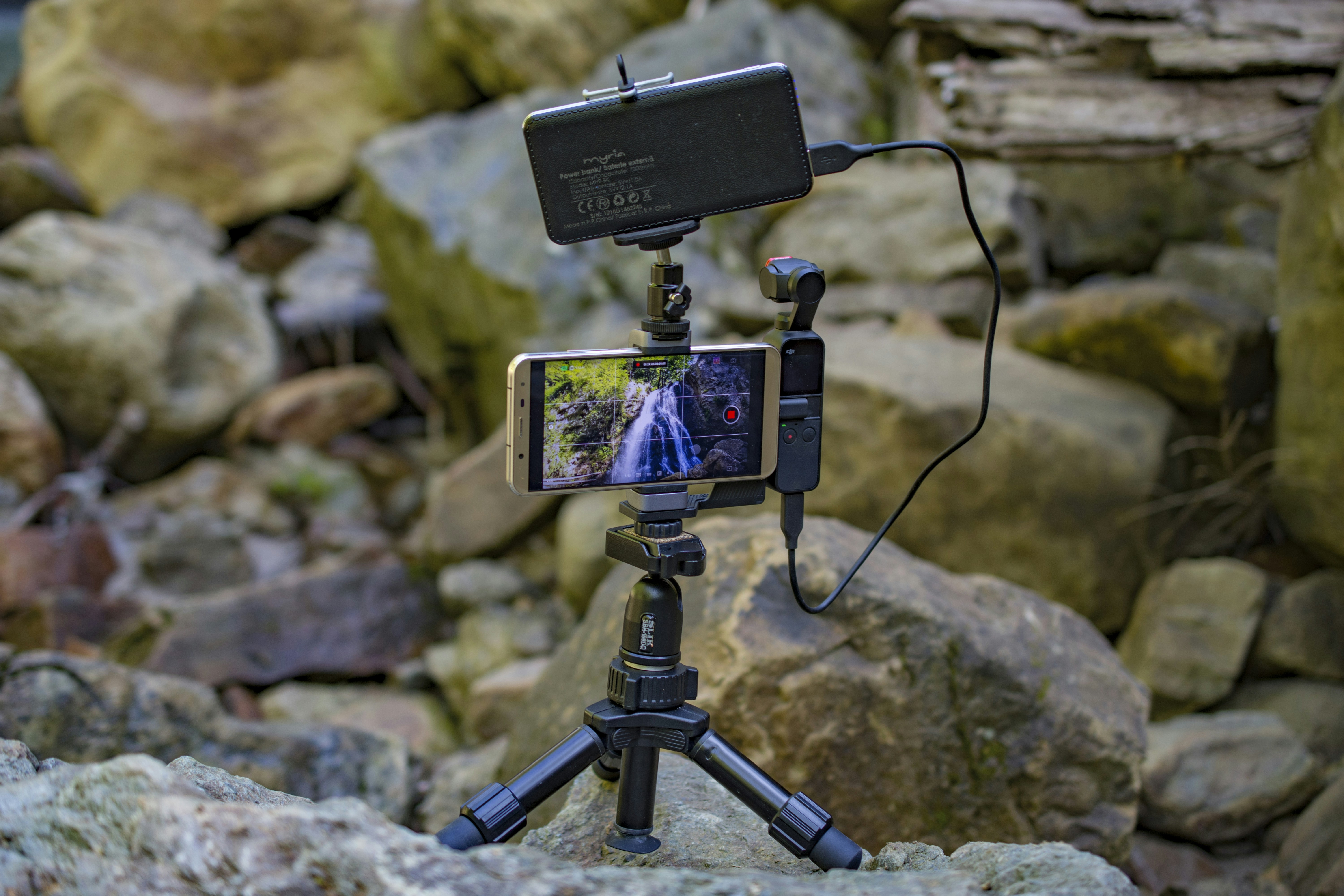
Understanding Smartphone Gimbals
Smartphone gimbals are advanced stabilization devices that allow users to capture smooth and professional-quality video footage with their smartphones. The technology behind these gimbals typically involves a system of motors and sensors designed to counteract unwanted camera movements, ensuring that the video remains steady even when the user is in motion. This is particularly beneficial in vlogging scenarios where dynamic environments and vigorous movements can lead to shaky footage.
At the core of a smartphone gimbal is an electronic stabilization system that uses three-axis gimbal technology. Each axis corresponds to a different plane of movement—pitch (up and down), roll (side to side), and yaw (left to right). When any undesired motion occurs, the gimbal’s sensors detect this movement and activate motors to compensate, thereby maintaining the camera’s horizon and achieving a smooth filming experience. This process is vital for vloggers who need to maintain a visual narrative while on the go.
The benefits of using a gimbal for video recording extend beyond mere stabilization. By allowing vloggers to move freely while filming, gimbals enhance creativity and flexibility in shooting styles. They enable users to execute various shots—including tracking, panning, and tilting—with relative ease. Furthermore, many gimbals come equipped with additional features such as smartphone app connectivity, allowing for advanced controls, preset shooting modes, and even object tracking. In conclusion, smartphone gimbals have become essential tools for vloggers aiming to produce engaging, high-quality video content without the need for cumbersome professional equipment.
Importance of 3-Axis Stabilization
3-axis stabilization is a crucial technology in modern gimbals that significantly enhances the quality of video content created by vloggers. This advanced stabilization system effectively reduces unwanted camera movements across three different axes: pitch, roll, and yaw. By doing so, it helps to keep the camera steady while the vlogger is moving, capturing fluid and cinematic footage that is paramount for engaging storytelling.
The primary function of 3-axis stabilization is to compensate for any motion that occurs while filming. Whether filming while walking, running, or even while engaged in extreme activities, the gimbal works to eliminate shakes and jitters that are often present with handheld shooting. This technological advancement allows vloggers to focus on their content, knowing that the stabilization system will create smooth footage free from the disruptive effects of hand tremors or abrupt jolts.
Furthermore, the use of a 3-axis gimbal can transform the manner in which videos are perceived by viewers. Smooth transitions and stable framing lead to a professional appearance, which can elevate the overall quality of vlogs to a level previously thought achievable only with expensive, high-end camera equipment. As a result, audience engagement typically increases alongside video quality, providing a better viewing experience.
In essence, 3-axis stabilization not only improves the visual aesthetic of the footage but also enhances the vlogger’s ability to tell their story effectively. Through consistent, captivating imagery, vloggers can maintain viewer interest and deliver their message without distraction from shaky video. As technology continues to evolve, the integration of such features in gimbals will remain vital for content creators seeking to push the boundaries of quality in their vlogs.
AI Tracking Capabilities
In recent years, smartphone gimbals have evolved significantly, integrating sophisticated AI tracking features that greatly enhance the vlogging experience. One of the standout capabilities is face tracking, which utilizes advanced algorithms to detect and follow a subject’s face with precision. This feature is particularly beneficial for content creators who often engage directly with their audience, as it ensures that the subject remains in sharp focus, regardless of movement.
Face tracking works by utilizing a combination of cameras and sensors that continuously analyze the scene to identify human faces. Once a face is detected, the gimbal automatically adjusts its orientation, allowing for smooth, cinematic shots even during dynamic action. For vloggers, this means that they can move freely while maintaining a professional level of video quality, which is crucial for keeping viewers engaged.
In addition to face tracking, many modern gimbals come equipped with object tracking capabilities. This feature allows content creators to select specific objects within the frame that they want the gimbal to focus on. Whether filming a scenic landscape or capturing a fast-paced event, object tracking ensures that the selected subject remains clear and centered in the shot, which is key for dynamic storytelling.
The advantages of these AI tracking functionalities extend beyond mere convenience. By utilizing such technology, vloggers can experiment with more creative filming techniques, incorporating different angles and movements without the worry of losing focus on their subject. This not only enhances the visual quality of their content but also elevates their storytelling, providing viewers with a more immersive experience.
Overall, the AI tracking capabilities of modern smartphone gimbals represent a significant leap forward in vlogging technology. By employing features like face and object tracking, content creators can focus more on their craft and less on technical details, ultimately leading to the production of higher quality and more engaging video content.
Compatibility with Smartphones
When selecting a smartphone gimbal for vlogging, it is crucial to assess its compatibility with your device. Gimbals are designed to stabilize your smartphone while recording video, but not all gimbals support every smartphone model. Each gimbal has specific weight limits and dimensions that can impact its functionality.
Popular smartphones, especially from Apple and Android brands, often require different considerations for gimbal compatibility. For instance, the iPhone series has maintained a certain form factor over the years, making it easier for gimbal manufacturers to create models that fit this line. Most modern gimbals widely support recent iPhone models, including the iPhone 12, 13, and 14. These gimbals typically have adjustable clamps to securely hold the device, ensuring optimal stabilization.
Android devices, on the other hand, present a more varied landscape. With numerous manufacturers producing smartphones, the thickness, weight, and camera placement can vary significantly. It is important to check whether the gimbal is adjustable and can accommodate different Android devices. Some popular models from Samsung, Google, and OnePlus can be used with many gimbals, but it is wise to verify compatibility through the manufacturer’s specifications.
Moreover, pay attention to features like the gimbal’s balancing mechanism. Certain devices may require additional balancing steps to achieve the intended stabilization effect. Additionally, the weight of the gimbal can influence user comfort during long vlogging sessions, particularly when handling heavier smartphones or accessories.
In conclusion, ensuring compatibility with your specific device is essential before investing in a smartphone gimbal. Comprehensive research and consideration of your smartphone’s dimensions will facilitate a seamless vlogging experience and allow you to maximize the benefits of your gimbal for capturing outstanding videos.
Battery Life Considerations
When selecting a smartphone gimbal for vlogging, one of the most critical factors to consider is its battery life. The operational time on a single charge can greatly influence the overall filming experience, particularly for content creators who may shoot for extended periods. Most smartphone gimbals typically offer battery life ranging from 6 to 12 hours, depending on the model and its specifications.
Several factors can affect the battery life of a gimbal, including its usage settings, the weight of the smartphone, and environmental conditions. For instance, using more advanced stabilization technologies or features such as face tracking can demand more power, ultimately reducing the operational time. Additionally, a heavier smartphone may require the gimbal to work harder to maintain balance, which can also drain the battery more quickly.
It is advisable for vlogger to manage their gimbal’s battery effectively during shoots to maximize usability. Here are a few tips: first, always ensure that the gimbal is fully charged before starting a shoot. Knowing your gimbal’s battery life and planning your shooting schedule can help in ensuring that there is sufficient power for the entire duration. Second, consider using power-saving modes available on some models; this feature can extend battery life by reducing the power consumption during less demanding tasks.
Another practical strategy is to carry a portable charger or a spare battery, especially if undertaking long shooting sessions or traveling. Being mindful of camera settings on your smartphone can also contribute to conserving battery; turning off unnecessary features like Bluetooth or Wi-Fi can further enhance the endurance of your gimbal while filming. By understanding and optimizing battery life considerations, vloggers can ensure smooth operation and avoid interruptions during their shooting sessions.
User-Friendliness and Setup
When it comes to smartphone gimbals, user-friendliness is a vital factor, especially for beginner vloggers who may be unfamiliar with stabilization technology. Many gimbals on the market today are designed with intuitive features that facilitate ease of use. Most models come with a straightforward setup process that can be completed in minutes, allowing users to quickly transition from unboxing to recording stunning content.
The initial setup typically involves balancing the smartphone within the gimbal’s grip and securing it with adjustable clamps or brackets that hold the device firmly in place. Many modern gimbals offer built-in tutorials or companion apps that guide users through the balancing process, ensuring optimal stabilization. This focus on ease of use means that even those with minimal technical experience can confidently handle the equipment.
Once balanced, operating a smartphone gimbal becomes straightforward. Most gimbals come equipped with a variety of controls right at the user’s fingertips, including buttons that allow for smooth panning, tilting, and zooming. Moreover, many models feature a simple joystick or touchpad interface that allows for quick adjustments while recording, minimizing any fumbling during shoots.
However, like any technology, there may be a slight learning curve as users become accustomed to the gimbal’s features. Learning how to exploit different shooting modes, such as tracking or object follow, can sometimes take time, but this is usually addressed through practice and familiarity. Vloggers are often advised to spend some time practicing with the gimbal before heading out for their first shoot, to build confidence and comfort with the equipment.
In conclusion, the user-friendliness of smartphone gimbals, combined with a clear and efficient setup process, empowers beginner vloggers to create high-quality videos with minimal hassle. By practicing regularly and investing some time in understanding the basic functionalities, users can greatly enhance their vlogging experience.
Key Features and Functionalities to Look For
When selecting a smartphone gimbal for vlogging, it is imperative to consider several essential features that can significantly enhance the quality of your video content. One of the primary aspects to evaluate is the inclusion of fill lights. Integrated lighting can considerably improve video quality, particularly in low-light conditions, eliminating the common issue of grainy footage and ensuring that the subject is always well-lit.
Another critical feature is the gimbal’s foldability. A compact and foldable design not only makes transportation easier, but it also allows for quick setup, which is advantageous for vloggers who often work in various locations. This portability ensures that you can always have your equipment ready to capture spontaneous moments, crucial for an engaging vlog. A well-designed foldable gimbal can fit conveniently into bags or even larger pockets, making it the perfect companion for on-the-go filming.
Gesture control is also a feature that stands out for modern smartphone gimbals. This functionality enables users to control the gimbal remotely through simple hand gestures, enhancing flexibility during recording. It allows vloggers to start or stop recording without needing to touch their phones, ensuring smoother transitions and more seamless filming experiences. This can be especially beneficial when filming oneself, as it prevents camera shake and allows for dynamic movement while maintaining the desired shot composition.
Additionally, while not exhaustive, features such as stabilization algorithms, battery life, and compatibility with various smartphone models should also be taken into account. An effective gimbal will reduce unwanted shakes, providing smoother footage, which is essential for maintaining professional quality in vlogs. Furthermore, ensuring compatibility with your device will prevent any unnecessary complications during filming.
In conclusion, when investing in a smartphone gimbal for vlogging, thoroughly evaluating these features—fill lights, foldability, gesture control, and overall performance—is essential. These attributes can elevate your vlogging experience, allowing you to produce high-quality, engaging content that resonates with your audience.
Advantages and Disadvantages of Using a Gimbal
In the realm of smartphone vlogging, gimbals are celebrated for their ability to produce smooth and stable footage, significantly enhancing the quality of video capture. One of the primary advantages of using a gimbal is its stabilization technology, which compensates for unwanted movements, allowing vloggers to create professional-grade content even while on the move. This feature is particularly beneficial in dynamic environments, such as during outdoor shoots or when capturing action sequences, where handheld recordings might lead to shaky footage.
Moreover, many gimbals come equipped with additional features such as built-in zoom controls, tracking capabilities, and various shooting modes, further enriching the vlogging experience. These advanced functionalities can assist creators in achieving unique angles and perspectives, thereby diversifying their content and appealing to a broader audience. The versatility of gimbals also means they can be used in multiple settings, from casual vlogs to more structured shooting scenarios, making them a valuable asset for content creators.
However, there are also disadvantages to consider when integrating a gimbal into a smartphone vlogging setup. The additional weight and bulk of gimbals can make them cumbersome to carry, particularly over long periods or during extensive filming sessions. Additionally, setting up and calibrating a gimbal may require a learning curve, which could be a barrier for novice vloggers. In situations where quick, spontaneous shots are necessary, fumbled attempts at gimbal adjustments might lead to missed opportunities.
Lastly, not every vlogging situation necessitates the use of a gimbal. For instance, simple vlogging in a controlled environment may not require the level of stabilization a gimbal provides. In such cases, handheld shots, when executed properly, can suffice and convey the intended message effectively. Therefore, while gimbals can greatly enhance video quality, they also come with considerations that each vlogger should weigh according to their specific needs and shooting scenarios.
Is a Gimbal Worth the Investment?
When it comes to enhancing the quality of your vlogs, the question of whether to invest in a smartphone gimbal is one that many content creators grapple with. A gimbal, designed to stabilize your device, can significantly enhance video quality by reducing shakes and delivering smooth footage, making it a potentially invaluable tool for vloggers. The decision, however, depends on a range of factors including budget, usage frequency, and specific vlogging needs.
For those who are serious about their vlogging pursuits, a gimbal can be a worthwhile investment. It allows for dynamic shots, smoother pans, and overall professional-looking content that resonates well with viewers. When considering the best smartphone gimbals, options vary widely in terms of pricing. There are budget-friendly alternatives, as well as high-end models equipped with advanced features that can cater to professional filmmakers. Among the best budget smartphone gimbals, you will find options that still provide effective stabilization without breaking the bank, making them accessible even for novice vloggers.
Additionally, other essential considerations can influence your buying decision. Assess the weight and size of the gimbal, the battery life, and compatibility with your smartphone, as these factors can impact your shooting experience. Evaluate how often you plan to use the gimbal; if vlogging is a significant part of your content strategy, investing in a quality gimbal may be justified. In contrast, if you are a casual vlogger, a budget option might suffice. Ultimately, the choice should align not only with your financial capacity but also with your commitment to producing high-quality content. In conclusion, evaluating your specific needs, budget, and the potential impact of stabilization on your vlogs will guide your decision on whether a gimbal is worth the investment.