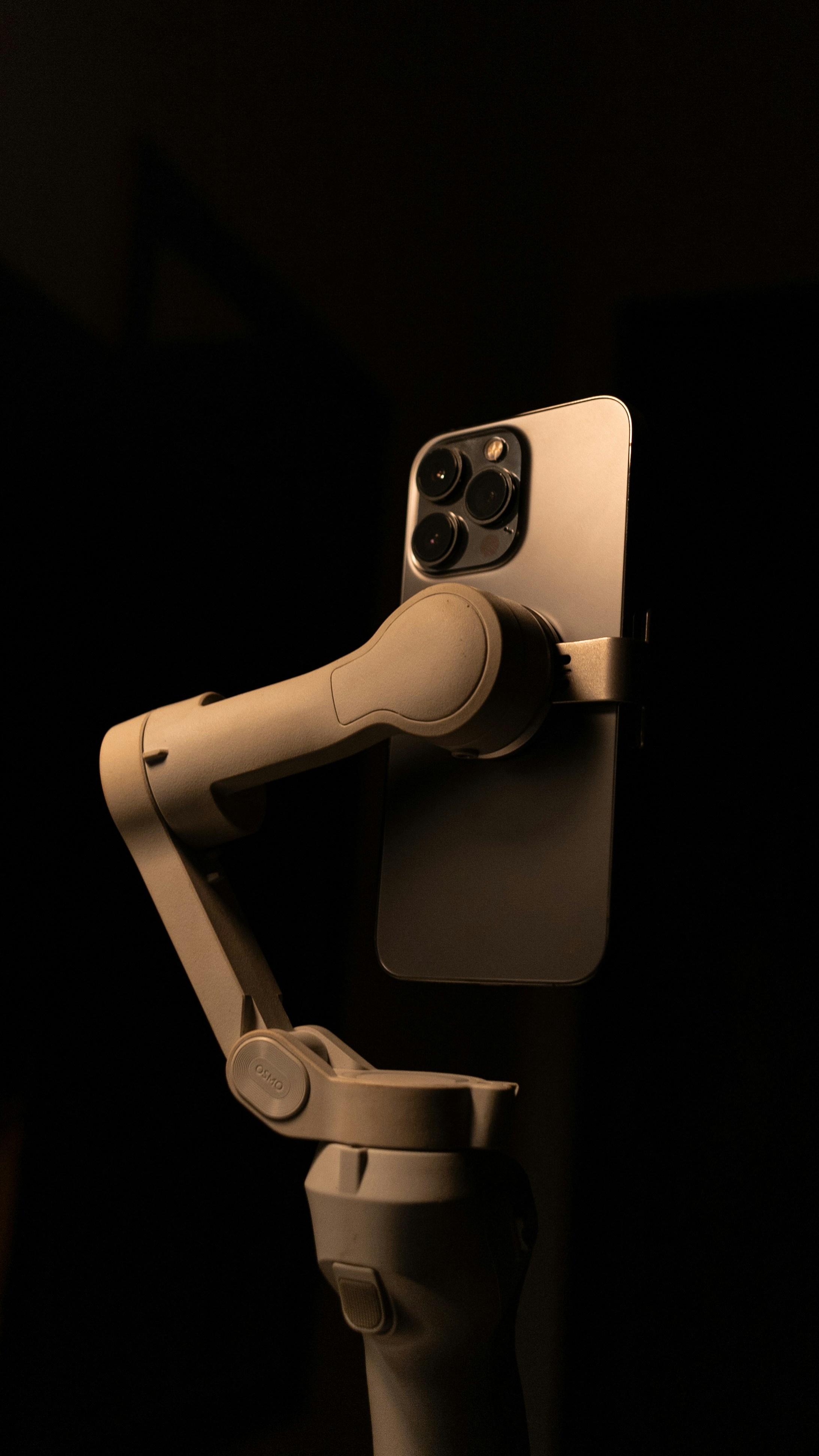
Understanding the Importance of a Tripod for Mobile Video
In the realm of mobile video production, the utilization of a tripod emerges as an indispensable practice that significantly elevates the quality of the final product. One of the primary advantages of employing a tripod is the stabilization it provides. By securely holding the mobile device in a fixed position, a tripod minimizes the risk of jittery or shaky footage, which can detract from the viewer’s experience. Smooth, stable shots are essential for maintaining viewer engagement and conveying a professional image.
Moreover, using a tripod allows creators to explore creative angles and compositions without the constant need for manual adjustments. Whether it’s achieving low-angle shots, high-angle perspectives, or time-lapse sequences, a tripod serves as a reliable platform from which to experiment. This versatility fosters creativity, enabling videographers to capture unique content that stands out.
Enhancing professionalism is another critical benefit of incorporating a tripod into mobile video production. The meticulous framing and steady shots that a tripod affords contribute to a more polished and refined appearance. Viewers are often drawn to well-composed videos that exhibit a level of professionalism, as they suggest a thoughtful approach to content creation. Furthermore, a tripod’s ability to hold the camera in place opens up opportunities for additional techniques such as panning or tilting, leading to more dynamic storytelling.
In essence, the importance of a tripod in mobile video cannot be overstated. By providing stabilization, facilitating creative exploration, and enhancing the overall professionalism of the video, a tripod is a valuable tool for any mobile video creator aiming to produce high-quality content. The investment in a good tripod is not merely about equipment but about elevating the standards of mobile video production.
Types of Tripods Suitable for Mobile Devices
When selecting a tripod for mobile video creation, it is essential to consider the various types of tripods available on the market. Each type comes with unique features tailored to different filming scenarios and user preferences. In this section, we will explore three primary types of tripods: tabletop tripods, full-size tripods, and flexible tripods.
Tabletop tripods are compact and lightweight, making them a popular choice for mobile video creators who prioritize portability. Their short stature typically ranges from 5 to 12 inches, which is ideally suited for tabletop interviews, vlogs, and close-up shots. Many models come equipped with adjustable legs for stability on uneven surfaces, and they can easily be packed into a backpack or camera bag, making them perfect for on-the-go shooting.
Full-size tripods offer extended height options, generally ranging from 50 to 70 inches, which allows users to achieve various angles and perspectives. They often come with features such as quick-release plates for dynamic setup and breakdown, and many include adjustable legs and spirit levels to ensure the shot is straight and well-composed. These tripods are particularly effective for capturing steady shots during events, tutorials, or landscape videography, making them ideal for more ambitious mobile video projects.
Flexible tripods are increasingly popular among mobile videographers due to their versatility and adaptability. These tripods feature bendable legs that can wrap around poles, branches, or irregular surfaces, allowing for creative camera positioning. Flexible tripods are also lightweight and compact, making them convenient for travel. They can be perfect for action shots or capturing content in challenging environments where traditional tripods might struggle to provide stability.
In summary, choosing the right type of tripod ultimately depends on the specific needs of the video project. By understanding the strengths of each option, creators can enhance the quality and stability of their mobile video production efforts.
Key Features to Look for in a Mobile Tripod
When selecting a mobile tripod, it is essential to consider several key features that will enhance your video creation experience. These features ensure that your tripod can accommodate your specific needs and preferences while providing stability and functionality.
One of the primary aspects to look for is height adjustment. Depending on the type of shots you wish to capture, having a tripod that can be adjusted to various heights is crucial. This flexibility allows you to shoot at eye level or low angles without compromising the quality or composition of your videos. A tripod with a wide range of height adjustment options can greatly enhance your creative possibilities.
Another important feature is weight capacity. Mobile tripods come with varying weight limits, so it is vital to choose one that can adequately support your device, even when using additional accessories such as microphones or lights. Ensuring that your tripod has a sufficient weight capacity will help prevent any accidental collapses during your filming sessions, providing peace of mind when striving for that perfect shot.
Portability is also a significant consideration when selecting a tripod. Many mobile videographers prioritize lightweight designs that are easy to carry to various locations. A compact and foldable tripod can facilitate hassle-free transportation, making it simpler to capture video in different environments. Look for a tripod that balances sturdiness with convenience, allowing for effortless mobility during your projects.
Build quality is another crucial aspect to bear in mind. Tripods made from high-quality materials such as aluminum or carbon fiber tend to be more durable and stable. Investing in a tripod with excellent construction will ensure longevity and reliability, especially when used for outdoor shooting or in challenging conditions. Lastly, compatibility with mobile devices is vital, so ensure that the tripod includes a suitable mounting mechanism for your smartphone, allowing for secure attachment.
By considering these key features—height adjustment, weight capacity, portability, build quality, and compatibility—you can make an informed decision when selecting the perfect mobile tripod for your video creation needs.
Best Tripods on the Market for Mobile Filming
In the world of mobile video creation, having a reliable tripod is essential for achieving stable and professional-looking footage. Below is a curated list of some of the best tripods available for mobile filming, showcasing their specifications and reasons for recommendation.
1. Joby GorillaPod Mobile Rig
The Joby GorillaPod is known for its versatility and unique design, featuring flexible legs that can grip onto various surfaces. It holds smartphones securely with its adjustable clamp. Priced around $69.95, it is perfect for on-the-go filmmakers who need adaptability in their equipment.
2. Manfrotto Befree Live Tripod
This tripod is designed with video creators in mind, equipped with a fluid head for smooth panning and tilting. Its lightweight aluminum construction makes it easy to transport, and it extends to a height of 59 inches. The price is approximately $199.99, making it a great investment for those serious about mobile videography.
3. UBeesize Tripod S
The UBeesize Tripod S is a budget-friendly option priced at around $23.99. It features a robust design and can extend up to 51 inches. This tripod comes with a wireless remote, allowing for easy shooting without needing someone else behind the camera. Perfect for beginners, it provides stability without breaking the bank.
4. Neewer Camera Tripod
For those seeking advanced features, the Neewer Camera Tripod is a worthy choice. With a load capacity of 22 lbs, it is suitable for heavier setups, including DSLRs. Priced at approximately $85, it includes a quick-release plate for easy attachment and removal of your device, enhancing usability during shoots.
5. DJI Osmo Mobile 3
This tripod comes specifically designed for use with the DJI Osmo Mobile 3 gimbal, making it ideal for dynamic video creators. It boasts a lightweight, portable design and retails for about $139. This accessory is recommended for users of the Osmo series who wish to combine stabilization with tripod support.
Each of these tripods offers unique features and advantages, catering to various needs and budgets, making them excellent choices for mobile video creation enthusiasts.
Tips for Setting Up Your Mobile Tripod
Setting up a mobile tripod effectively is crucial for achieving stable and professional-looking video content. To start, ensure that your tripod is on a flat, level surface. Uneven ground can lead to shaky footage and compromised composition. Many tripods feature built-in bubble levels or adjustable legs that help in achieving perfect balance.
Once your tripod is leveled, position it according to your desired shot. Take into consideration the height and angle from which you wish to record. Adjust the height of the tripod legs to obtain the best framing and perspective. If possible, experiment with different angles to find the most visually appealing setup. A slightly elevated position can add dynamism to the shot, while a lower angle might better capture the subject’s prominence.
Securing your mobile device is another essential step in setting up your tripod. Make sure to use the appropriate phone mount, which is specifically designed for your device’s size. This will prevent the phone from slipping or falling during recording. Attach the device firmly to the tripod to minimize movement. For additional security, especially in windy outdoor conditions, consider using a counterweight or a sandbag on the tripod for added stability.
After securing everything, conduct a brief test recording. This allows you to check both the composition of your shot and the stability of your setup. It’s also a good opportunity to make any necessary adjustments. If you notice any shakiness or misalignment, don’t hesitate to re-level your tripod or reposition your mobile device. A little time spent on setup can significantly enhance the quality of your final video.
By following these tips for setting up your mobile tripod efficiently, you can create high-quality video content that meets your creative vision. Proper leveling, positioning, and securing of your mobile device are key to ensuring stable and professional video results.
Creative Ways to Use a Mobile Tripod for Filming
The advent of mobile technology has transformed the landscape of video creation, allowing creators to produce high-quality content using only a smartphone. One essential accessory that enhances this process is a mobile tripod, which provides stability and versatility. Exploring innovative filming techniques using a mobile tripod can significantly improve both the quality and creativity of your videos.
One popular method is implementing time-lapse photography. By mounting your phone securely on a tripod, you can capture the slow progression of time—be it the movement of clouds or the hustle and bustle of a city. The key is to maintain a consistent frame while the scene evolves over hours, or even days. This technique not only compresses time but also creates visually engaging content that mesmerizes viewers.
Another technique is the tracking shot setup. This involves attaching your mobile device to a tripod and utilizing a smooth panning motion to follow a subject. A mobile tripod allows for fluid movement, ensuring your footage maintains a professional quality without jolts or vibrations. This method is especially effective in storytelling videography, as it guides the viewer’s focus through the narrative.
Multi-angle vlogging is also made easier with a mobile tripod. By positioning your smartphone at various angles, you can capture diverse perspectives and keep your audience engaged. For instance, using one tripod for a wide shot while another captures close-ups creates dynamic and multi-dimensional content. This approach offers viewers a richer narrative experience, catering to their visual preferences.
Incorporating these creative techniques with a mobile tripod can elevate your video productions. By exploring time-lapse photography, tracking shots, and multi-angle setups, you can transform simple clips into extraordinary visual stories. A mobile tripod serves as a valuable tool, providing the stability and adaptability needed for innovative filming while ensuring a high level of professionalism in your creations.
Maintaining Your Mobile Tripod
Proper maintenance of your mobile tripod is essential to ensure its longevity and optimal performance. Regular care not only enhances its usability but also helps in preventing costly repairs or replacements. Here are some key tips for maintaining your tripod.
Firstly, regular cleaning is crucial. After each filming session, inspect your tripod for dirt, dust, and moisture. Use a soft, dry cloth to wipe down the legs and head. If it has been exposed to sand or mud, consider disassembling it to clean more thoroughly. For stubborn stains, a mild soap solution can be used, but ensure that all soap residues are wiped away. Avoid abrasive materials, as they can scratch or damage the finish.
Secondly, pay attention to storage practices. When not in use, store your tripod in a cool, dry place away from direct sunlight, which can degrade materials over time. Consider using a protective case or bag to avoid exposure to dust and accidental impacts. When transporting your tripod, ensure it is securely packed to prevent any movement that could lead to damage.
Furthermore, it’s important to regularly check for wear and tear. Inspect the legs for any cracks or bending, as well as the locking mechanisms to ensure they function properly. If you notice any components that seem loose or damaged, address these issues promptly to prevent further degradation. Lubricating moving parts occasionally can aid in maintaining smooth adjustments.
Finally, familiarize yourself with the manufacturer’s guidelines regarding maintenance and care specific to your tripod model. Adhering to these recommendations can significantly prolong the life of your equipment and enhance your mobile video creation experience.
Common Mistakes to Avoid When Using a Mobile Tripod
When embarking on mobile video creation, using a tripod can be immensely beneficial; however, it is not without its potential pitfalls. First-time users often encounter several common mistakes that can hinder the quality of their video productions. Being aware of these pitfalls is essential for achieving professional results.
One of the most crucial missteps to avoid is failing to properly secure your device within the tripod mount. Many users neglect to ensure that their smartphone or camera is securely fastened, which can lead to unfortunate accidents, such as the device falling and sustaining damage. Always double-check that the locking mechanism is engaged and perform a gentle shake test to confirm stability before filming.
Another common issue arises from improper tripod height adjustment. Beginners frequently do not take into account the level of the shot they wish to achieve, resulting in camera angles that are less than ideal. It is important to experiment with different heights to find the most flattering perspectives for your subject, whether you are shooting from a low angle for a dramatic effect or a high angle for a more dynamic view.
Additionally, many users often overlook the need for stabilizing the tripod on uneven surfaces. Stability is critical in mobile video creation. Failing to adjust or compensate for an uneven ground can lead to shaky footage, detracting from the overall quality of the video. Consider utilizing stabilizing tools or adjusting leg lengths to achieve a level setup.
Lastly, neglecting to account for lighting is a common error. While a tripod significantly improves video stability, it does not address poor lighting conditions. Ensure you have adequate lighting before filming to avoid grainy or poorly exposed content. By being cognizant of these typical mistakes and taking proactive measures to mitigate them, first-time users can enhance their mobile video creation experience significantly.
Conclusion and Final Thoughts on Mobile Tripods
In this ultimate guide, we have explored various aspects of selecting the right tripod for mobile video creation. Ensuring that your video content is of high quality is paramount, especially for popular platforms like YouTube and Instagram. A well-chosen tripod can significantly enhance the stability and professionalism of your videos, allowing your creative vision to be conveyed more effectively to your audience.
Throughout the discussion, we have highlighted the importance of various factors in choosing a tripod, such as portability, height adjustments, load capacity, and compatibility with different mobile devices. These features play a crucial role in enhancing the overall mobile video quality. Whether you’re a budding videographer or a seasoned content creator, a reliable tripod is an indispensable tool in your filmmaking toolkit.
Moreover, investing in a good tripod contributes not just to better stabilization and image clarity but also to improved versatility in your filming options. From outdoor shooting to stationary indoor setups, the right tripod enables you to achieve a wide range of creative angles and compositions, thus enriching your storytelling capabilities. As we’ve discussed, good tripods can accommodate various shooting styles and adapt to different environments, making them a valuable asset for video production.
In conclusion, understanding the characteristics of mobile tripods, alongside their critical role in mobile video creation, will equip you with the knowledge to make an informed decision. The value of a good tripod lies in its capacity to elevate the quality of your work, ensuring that your content stands out in a crowded online space. Through thoughtful selection and application, you can enhance your mobile video projects, ultimately leading to greater engagement and viewer satisfaction on platforms where your creative works are shared. Investing in a quality tripod is not just a purchase; it is a strategic decision that can significantly impact your creative journey.